Across the UK, regenerative farming is gaining momentum as farmers, communities and policymakers look for ways to produce food while restoring nature. Here in Lewes District, however, this is not simply a national trend. At Jamie’s Farm, on the edge of the South Downs, regenerative farming is already helping to improve soil health, increase biodiversity and create a richer environment for the young people who visit the farm each year.
For Lewes District Food Partnership, this is an important example of how healthier food systems can also support healthier communities. At Jamie’s Farm, regenerative agriculture is not just about how food is produced; it is closely connected to the charity’s work helping young people build confidence, develop life skills and reconnect with themselves, others and the natural world.
Regenerative Farming: Working with Nature
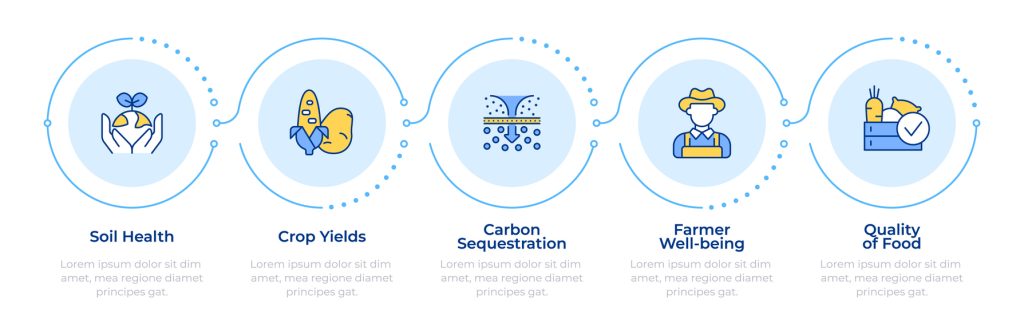
At its heart, regenerative farming is about working with natural systems rather than against them. It focuses on improving soil health, increasing biodiversity and building resilience for the long term. Techniques can include cover cropping, reduced tillage, rotational grazing, diverse herbal leys and planting hedgerows. Rather than simply sustaining the land, regenerative farming aims to leave it healthier, more fertile and more productive over time.
As concerns about climate change, biodiversity loss and food security continue to grow, regenerative agriculture is increasingly being recognised as one of the most promising ways to produce food while supporting the natural environment.
Jamie’s Farm: Regeneration for Land and People
Jamie’s Farm offers a powerful local example of how regenerative farming can deliver benefits beyond agriculture. Based at Allington Farm near Lewes, the charity has been developing regenerative farming practices across its land, focusing on improving soil health and biodiversity while caring for livestock in ways that support the wider ecosystem.
What makes the farm particularly special is the connection between the health of the land and the wellbeing of the young people it supports. Through residential visits, young people experience farming, outdoor learning, family-style living and therapeutic support. Spending time in nature, caring for animals and seeing first-hand how food is produced can help build confidence, resilience and a sense of belonging. Regenerative farming therefore becomes part of a wider story about nurturing both landscapes and people. You can learn more about Jamie’s Farm Lewes
Regenerative Farming and the Groundswell Movement
The success of Groundswell, the annual regenerative agriculture festival held in Hertfordshire, demonstrates just how quickly interest in regenerative farming is growing. Often described as the “Glastonbury of farming”, Groundswell brings together thousands of farmers, researchers, growers and food-system experts to share practical knowledge and ideas about soil health, biodiversity, climate resilience and sustainable food production.
Its growth reflects a wider shift in thinking across British agriculture, with increasing recognition that food production and environmental recovery can go hand in hand.
Prince William’s Support for Regenerative Agriculture
The movement has also attracted high-profile support from Prince William. As Duke of Cornwall, he has placed regenerative agriculture at the heart of the Duchy of Cornwall’s ambition to reach net zero by 2032. Earlier this year, the Duchy launched what is believed to be England’s first 25-year regenerative Farm Business Tenancy, designed to give farmers the long-term security needed to invest in soil health, biodiversity and sustainable land management.
Prince William has also visited regenerative and organic farms to learn more about approaches such as agroforestry and rotational grazing. His support has helped bring regenerative farming into the national spotlight and signals growing confidence in its role in the future of British agriculture.
Why This Matters for Lewes District
For Lewes District, the significance of regenerative farming extends far beyond agricultural practices. It is about building a food system that supports biodiversity, climate resilience, local food production and community wellbeing.
The work taking place at Jamie’s Farm shows how regenerative farming can benefit both people and planet. The same principles now being championed nationally, including by Prince William and the Duchy of Cornwall, are already helping to strengthen land, nature and opportunities for young people here in Lewes District.
From healthier soils to stronger communities, regenerative farming reminds us that the future of food depends not only on how we grow it, but on how we care for the people and landscapes connected to it.